
The cupboard under the sink: what actually fits, and what should not live there

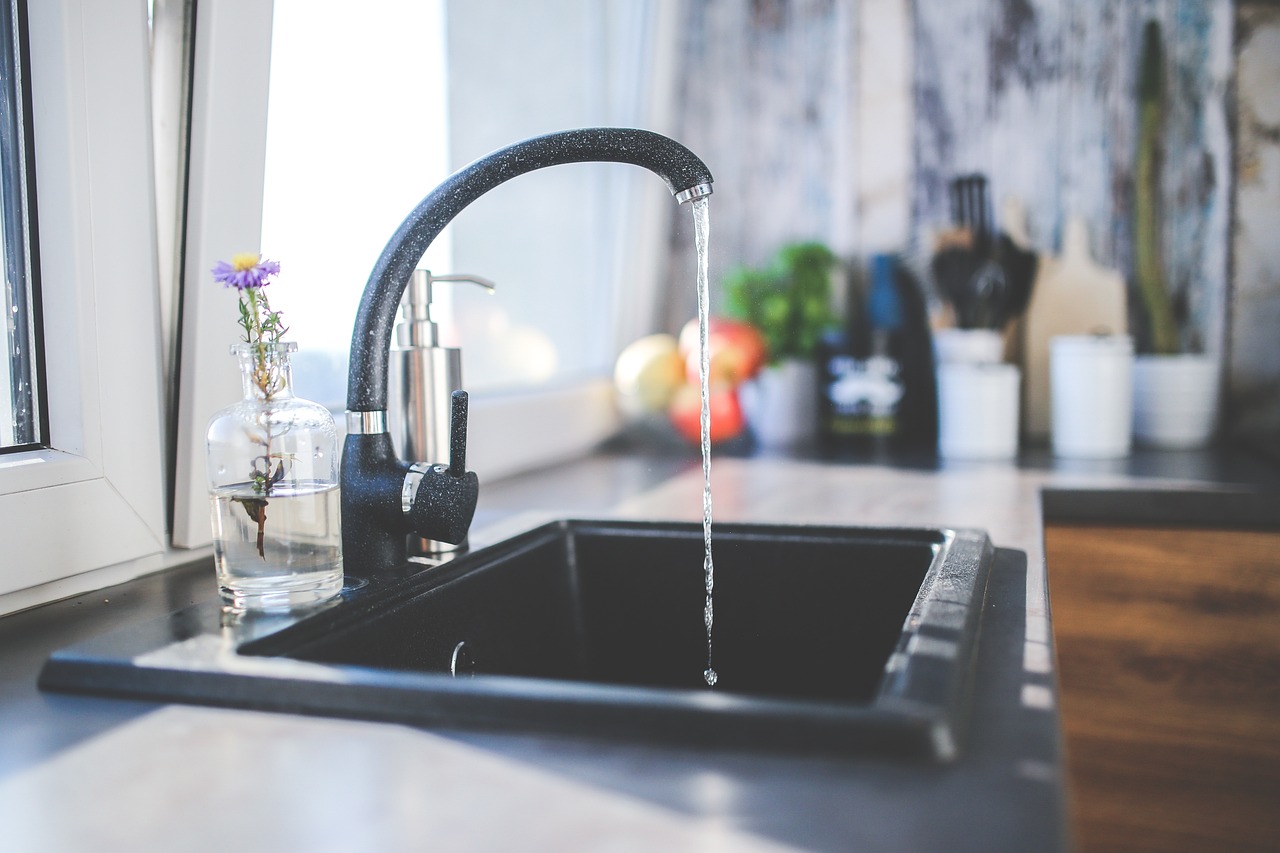
Every kitchen has one cupboard that defeats organisation, and it is the one under the sink. It has a waste trap through the middle, a shut-off valve in one corner, an uneven base, and it is the place everything damp and chemical ends up.
It can be organised. It just cannot be organised the way a normal cupboard is.
Measure around the obstruction, not the cupboard
The usable space under a sink is not a rectangle. Measure:
- The clear height from the base to the underside of the sink bowl — usually much less than the cupboard height.
- The clear width to the left of the trap, and to the right of it, separately. These are frequently different and are the numbers that matter.
- The depth to the front of the trap, which is where a pull-out has to stop.
- Whether the base is flat or has a plinth recess.
Two narrow organisers, one each side of the trap, work far better than one wide one that has to be cut around it.
What works in this space
U-shaped and expandable shelves
Designed exactly for this: a shelf with a cut-out that straddles the trap, or two independent tiers that adjust in height and width. The single most effective item for this cupboard.
Pull-out baskets
Turn the back of the cupboard from unreachable into visible. Check the depth against the trap position, and check whether the runners mount to the base or to the sides — a plinth-recessed base needs the side-mounting type.
Door-mounted racks
Excellent for cloths, sponges, gloves and small bottles, and they use space that is otherwise dead. Confirm the projection clears whatever is on the shelf inside.
Caddies with handles
The most under-rated option. Grouping cleaning products into a carry caddy means you take the whole thing to the bathroom instead of making three trips, and the cupboard holds one object instead of fifteen.
A shallow tray under everything
A boot tray or a shallow plastic tray across the base contains a slow leak before it reaches the cabinet floor, and it is a great deal cheaper than replacing a swollen base panel.
What should not live under there
- Paper goods. Kitchen roll and spare tissue absorb humidity and will be damp when you need them.
- Anything electrical. Including chargers and small appliances. It is the wettest cupboard in the house.
- Food. Warm from the pipes, damp, and next to chemicals.
- Bleach next to ammonia-based cleaners. A genuine hazard if either leaks.
- Anything you need urgently. This cupboard is awkward by nature — put the frequently used items at the front, or somewhere else entirely.
If there are children in the house, the cleaning products belong in a locked or high cupboard and this space holds cloths, brushes and spare sponges instead.
Ventilation and the damp problem
Sink cupboards are humid because of the pipework and because damp cloths get put away wet. Two habits fix most of it: dry cloths on a rail rather than folding them into the cupboard, and leave the door ajar occasionally to let the space breathe.
If you find the back panel is soft or discoloured, there is a slow leak — usually the trap connection or the tap tails — and no amount of organising will help until it is dealt with.
A method that holds
- Empty it completely and throw away everything expired, duplicated or unidentifiable. This alone usually halves the contents.
- Wipe the base and check for damp.
- Fit a tray, then a two-tier or U-shelf on the larger side of the trap.
- Put daily items in a caddy at the front, refills at the back on the pull-out.
- Hang cloths and gloves on the door.
Before you order an organiser
Take the four measurements above and compare them against the external dimensions on the listing, which is what our storage listings publish. It is a five-minute job that avoids the most common return we handle at the Escondido counter.
A note on child safety
The cupboard under the sink is at floor level, usually unlocked, and it is where most households keep their concentrated cleaning chemicals. That combination is the reason it appears so consistently in household accident figures.
If there are small children in the house, the practical answer is to move the chemicals rather than to secure the cupboard. A high wall cupboard or a shelf in a utility area is more reliable than a catch, because a catch is only as good as the last person who closed the door properly. What stays under the sink then becomes cloths, brushes, sponges, spare bin liners and the bucket — none of which matters if it is opened.
If the chemicals do have to stay there, use a magnetic or spring-loaded cabinet lock rather than an adhesive strap, keep everything in original labelled containers, and never decant anything into a drinks bottle. That last one is the single most common route to a serious accident with household products.
Common questions
What is the best organiser for under a sink?
A U-shaped or expandable two-tier shelf that straddles the waste trap. It is the one design made for the obstruction, and it converts the most dead space.
Should cleaning products live under the sink?
Only if there are no children in the house and no risk of a leak reaching them. Never store bleach next to ammonia-based cleaners, and keep paper goods, food and anything electrical somewhere drier.
My cupboard base is soft. What does that mean?
A slow leak, usually at the trap connection or the tap tails. Deal with the plumbing before buying any storage — an organiser will not stop the panel swelling further.
Browse the range: all products · about Serve-U-Appliance · ask us a question.